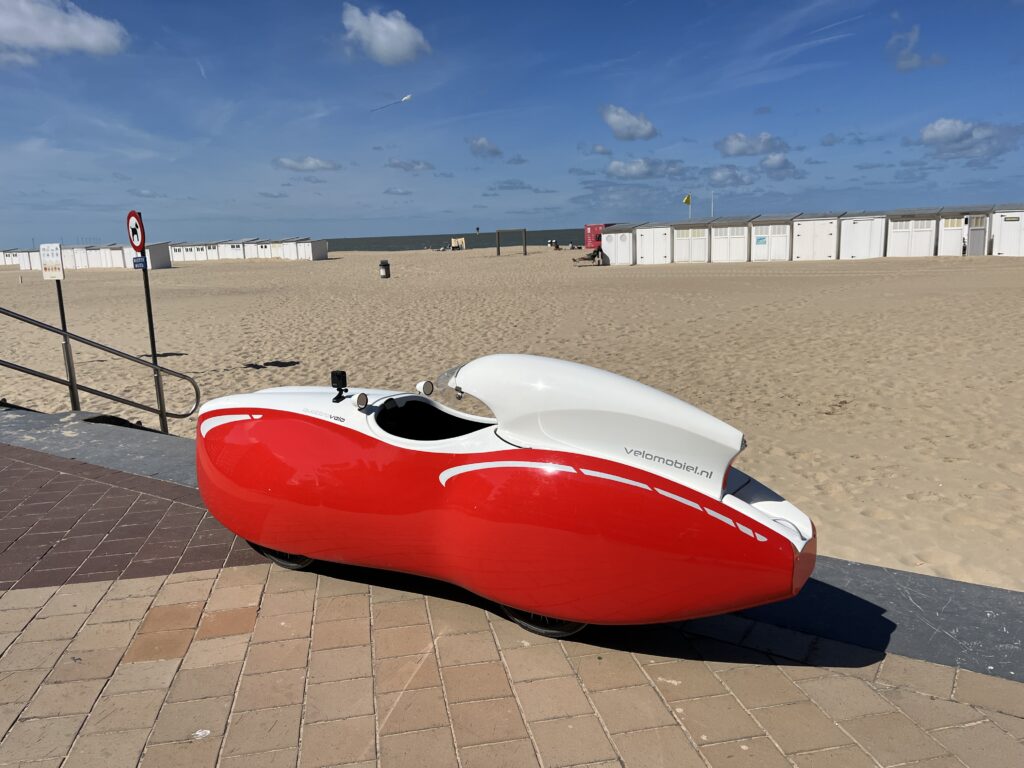
Hey velomobile fans! After a very hectic summer, the cats and I are finally settling into our new home in the Netherlands. A lot has happened in the last few weeks. I’ve been doing a lot of networking meeting the major players in the European velomobile market. I’ve been searching for the right fit to return as a velomobile dealer, and I believe I’ve found that with Stephane at Katanga.
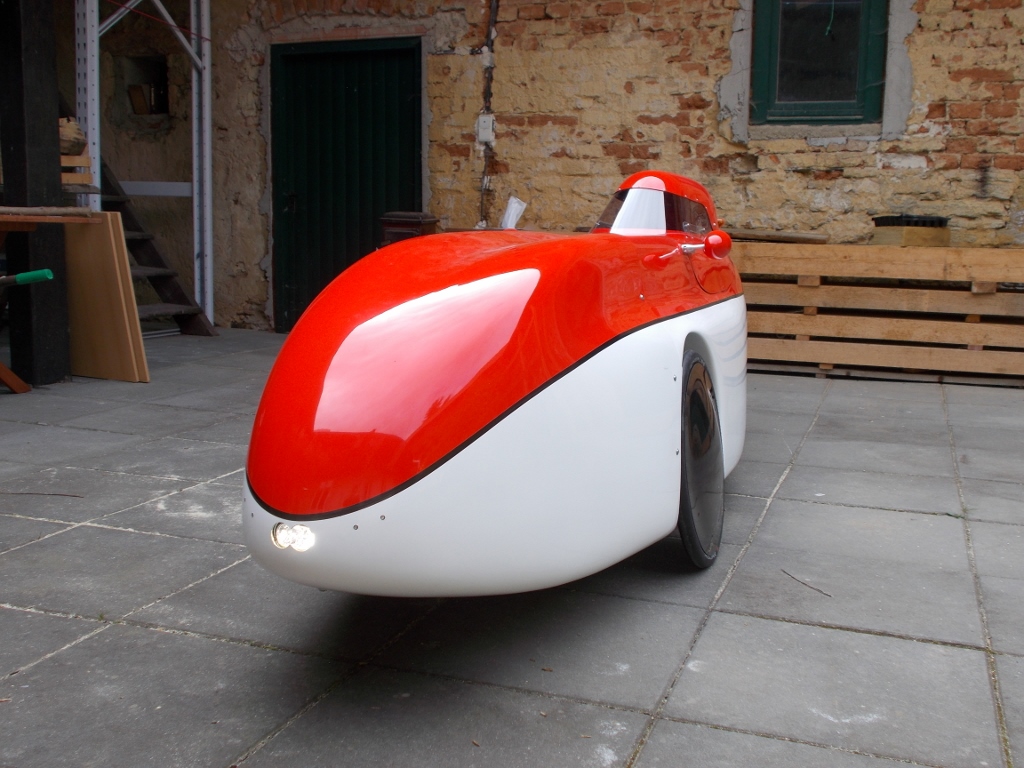
Katanga is a company I’ve known since the beginning of my velomobile experience. My entry to velomobiles was through a DIY cedar strip WAW. It’s a design I literally know inside and out after many months of work on the wooden WAW. Since then I got involved with the latest and greatest developments in velomobiles and the WAW fell by the wayside for me. I fully admit to having viewed the WAW as a dated design way behind the latest developments in velomobiles. I viewed as not being as light, stiff, and fast as the newest models. So what changed?
When I was planning my move to the Netherlands, I started searching the used ads for a velomobile. I’ve been taking a conservative approach to my budgeting and felt a used velomobile would fit best with that. I wanted something as practical as possible with a small turning circle since I ride a lot of bike paths where I live. Given the narrow streets in town and speed bumps, I also wanted a good amount of ground clearance and good maintenance access as well. I was searching for a used DF, but those are hard to come by. I’m too short for the DFXL, which was mainly what was available. I ended up settling for a Quatrevelo. After a few rides I realized I wasn’t going to be able to adjust to the riding position and the maintenance access from underneath was just too hard on my bad back. That’s when Stephane from Katanga contacted me.
Some friends of mine have told me in the past how impressed they were by the build quality of the WAW. I came away from my conversation with Stephane with a completely different perspective on the WAW. When Katanga acquired the rights to the WAW in 2013, they did a series of major upgrades to the design improving the stiffness and performance of the bike in particular. I knew of these changes from my research prior to building my own WAW. Since then the WAW has undergone little to no changes, and has been a fully mature product for quite some time. This is a somewhat unique thing in velomobiles. Rather than push for something new every few years, Katanga has settled on something that works well and stuck with it. In fact, the same assembler has been building the WAW for the last 10 years. This has allowed Katanga to deliver WAWs of highly consistent quality. For the N American market this is a big advantage. Even during my time physically in the US as a dealer, it wasn’t feasible for every client to travel to me to pick up their new velomobile or receive service. Being able to ship a velomobile to a client from the factory knowing it will arrive ready to ride with only the usual seat and bottom bracket position setup gives me a lot of peace of mind.
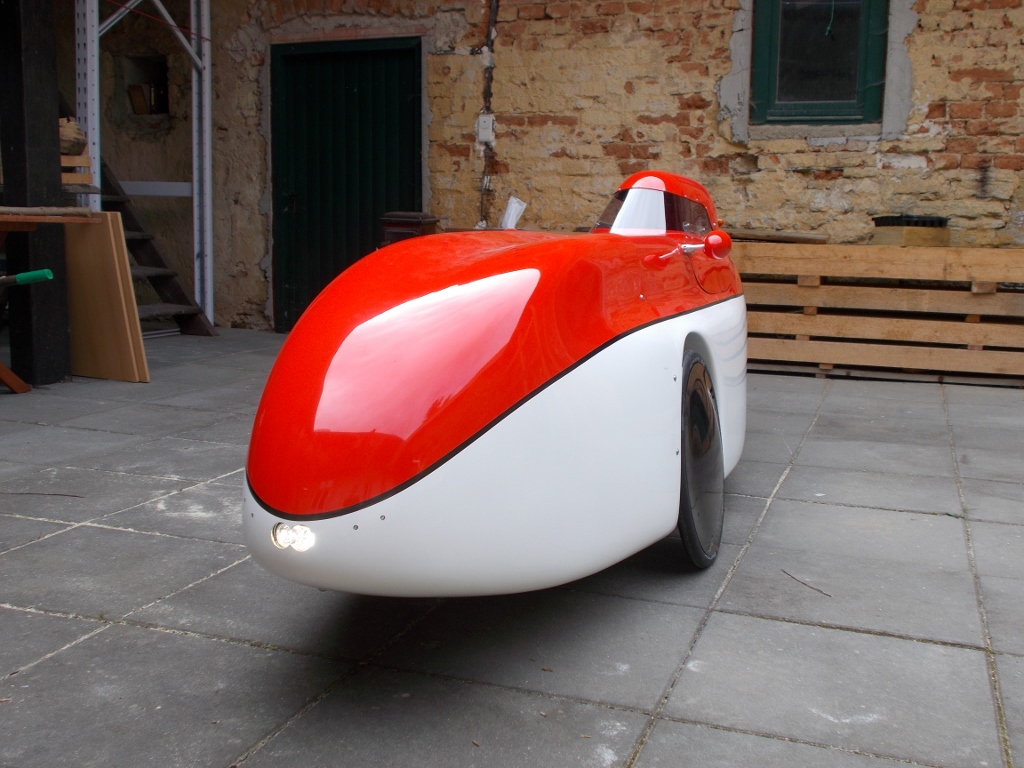
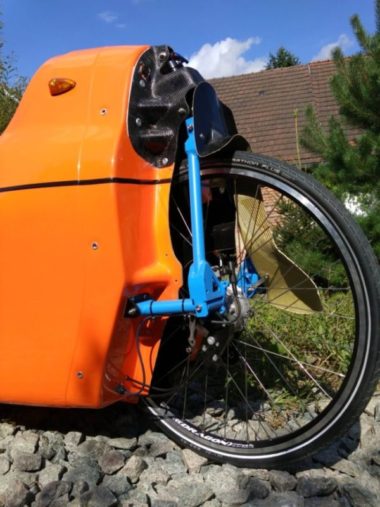
What other advantages have I come to appreciate about the WAW? I’ve been a fan of removable access hatches. It’s quick, it’s easy, it’s convenient. The idea of removing several bolts every time I want to charge my power meter pedals was unappealing. The same for if I need to change the rear tire. However, several of my friends and customers have been invovled recently in front or rear-end collisions. That means a complex and expensive rebuild of their velomobile and finding someone actually able and williing to do it. In several of these cases the removable nose and tail of the WAW would mean simply bolting on a new nose or tail. I’ve also had growing requests for e-assist. While this is technically possible with a middrive in a lot of models, there are compromises needed limiting the wattage of the motor, and selecting specific cranks to fit in the narrow footbox up front. The WAW not only has a roomyy footbox, it also has traditional rear drop-outs allowing you to install a hub motor. Along with that goes the ability to have the factory install a wide range of internally geared hubs including the Rohloff and Pinion systems. All of this can be done during assembly. No need to have a dealer do it on the other end or figure it out yourself. There are other advantages as well. A big one for me will be the ability to carry the full hood with me. It can be stored in back so next time I leave on a ride expecting sunny weather and suddenly get caught in pouring down rain, I can pop the full hood on quick before I’m completely soaked. The WAW can also be configured from anything ranging from a lightweight sporty velomobile (my configuration) to a super plush fully suspended e-bike with 500W hub drive. It also uses a standard bike freehub and with the removable tail, accessing the rear shifting for adjustment is really simple. This means more bike shops are likely willing to tackle maintenance jobs for you. That easy access also means someone like me who tends to put off tough maintenance access tasks will probably do a better job maintaining their velomobile. That means a longer lifetime of trouble-free riding.
My new WAW is already started and will arrive to me the end of October or beginning of November. That will literally bring me full-circle in my velomobile ownership. The open wheel wells and sporty setup will make it a very practical, yet high-performing, velomobile for my riding situation. If you’re interested in discussing whether the WAW might be right for you, I’d be happy to talk to you more. You can schedule a consult with me by contacting me at Contact I’ll be serving the US, Canada, UK, and will also be happy to host anyone here in the Netherlands for a test ride and consult. If you are in the area of Ghent, Belgium, I’d also encourage you to visit Fietser.be. My colleague Brecht, formerly the developer of the WAW, has a wonderful shop in Ghent with multiple configurations of the WAW. He is an expert in the e-waw options and also has a few used WAWs for sale. To start with I’ll be focusing on the sport version of the WAW since the Netherlands is a bit too flat for e-assist. At this time I won’t have a WAW available in the US for test rides, but I will say that Zeeland where I live is a wonderful place to travel for a holiday. What better excuse to come to the land of cycling paradise than a test ride at Northland Velo.nl? Imagine how great a test ride to the beach and along the many lovely paths here could be.